 Club de Fútbol Pachuca
In the 1990s, Club de Fútbol Pachuca experienced one of the most important stages in its history. After being founded in 1901, the club had gone through ups and downs, but it was in the early 90s that it began to establish itself as a force in Mexican football. With the arrival of key players and a renewed focus on team management, Pachuca started its path to success.
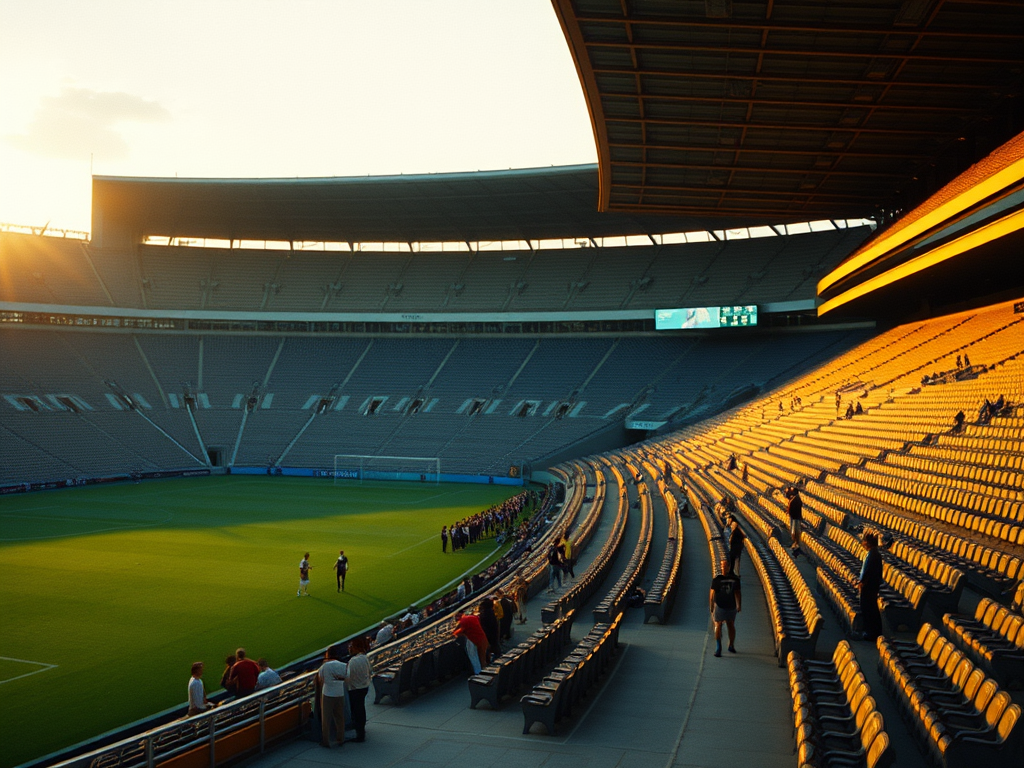
One of the most significant moments was the 1997-1998 season when the team achieved its first promotion to the Primera División of Mexico. This accomplishment was not only a sporting triumph but also symbolized the unification of a city that had been waiting for a competitive team in the top tier of national football. The fans, known for their loyalty and fervor, began to fill the stands of Estadio Hidalgo, creating an electrifying atmosphere that propelled the team forward.
During this time, Pachuca's technical direction was led by coaches who knew how to harness local talent and combine it with strategic reinforcements. Players like the legendary Cuauhtémoc Blanco and powerhouse forward Miguel Calero became club icons, elevating the level of play and attracting media attention. The arrival of these players not only improved the team's performance but also forged an identity that resonated with the fans.
The success in the league brought significant momentum to the club's infrastructure. Estadio Hidalgo, already a symbol of the city, began to expand and modernize, becoming a venue worthy of hosting the most important matches. Los Tuzos, as they are affectionately known, became recognized not only for their style of play but also for the passion that emanated from the stands.
Pachuca's rise in the 90s laid the groundwork for the club's future, establishing a legacy that would endure for decades. This period was not only a testament to the talent and determination of the team but also to the unwavering support of its fans, who became the heart and soul of Pachuca. As we look back on this golden era, it is evident that the foundations built during those years continue to be the basis on which the current success of Los Tuzos is constructed.