 Club de Fútbol Pachuca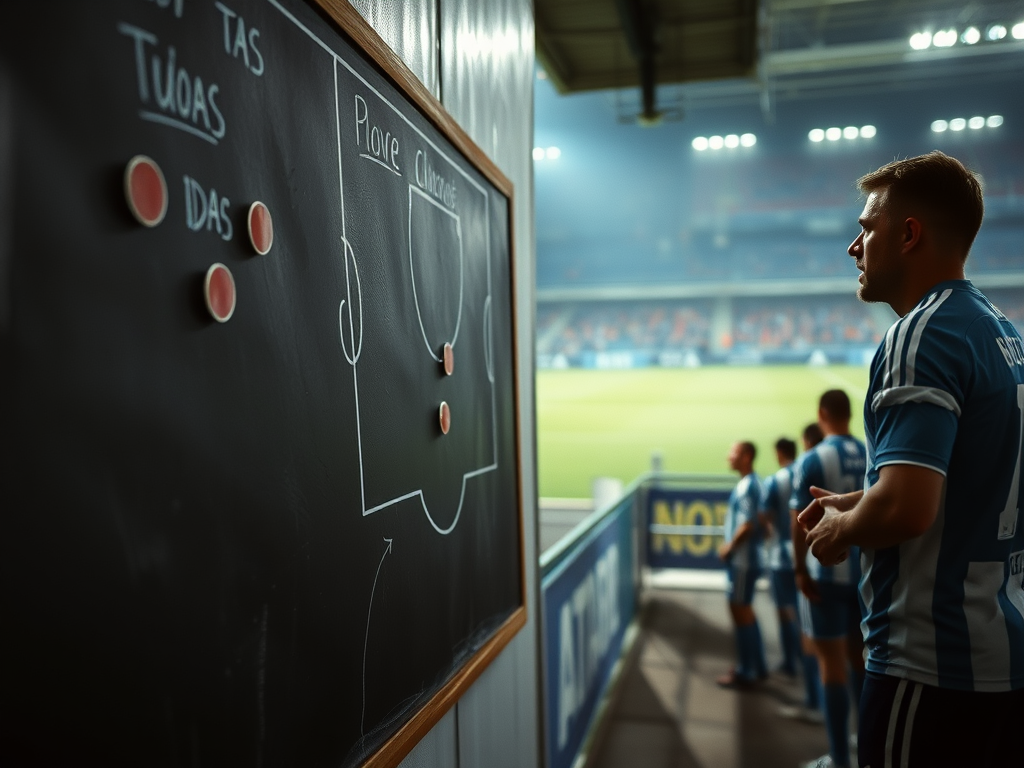
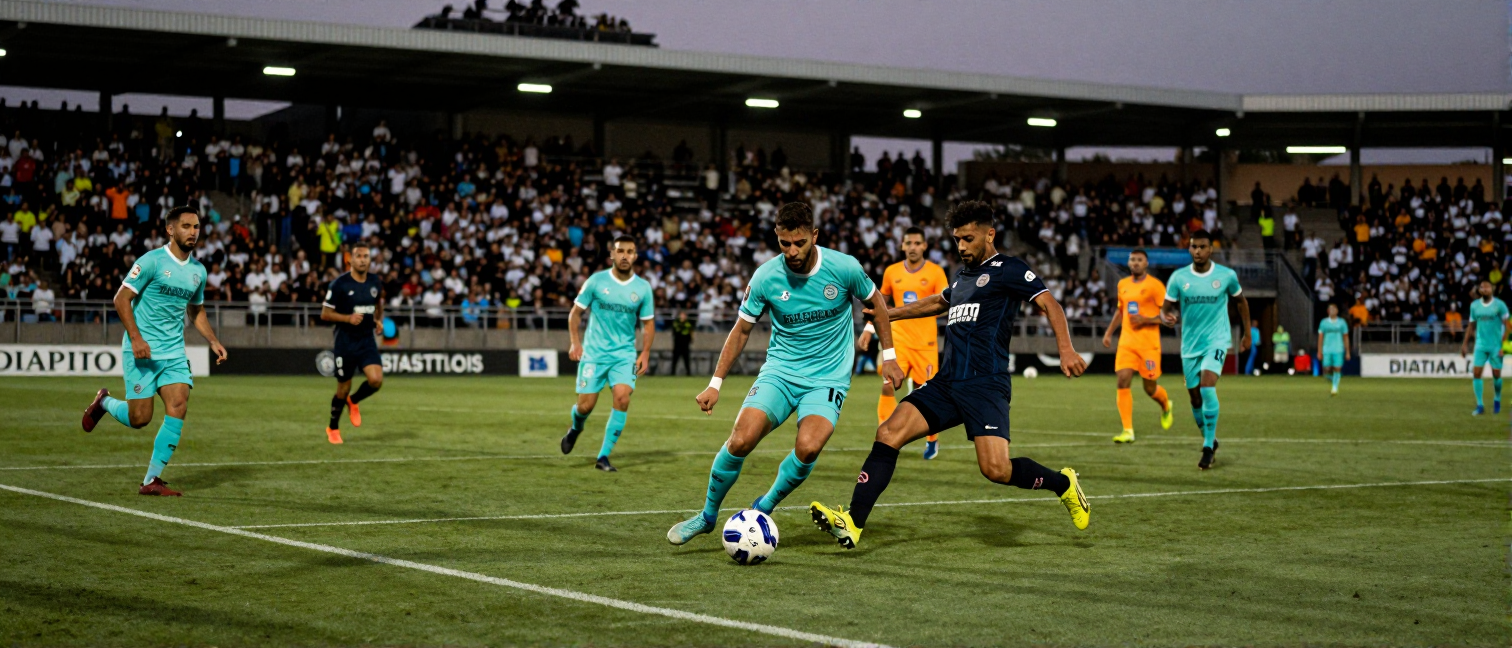
In recent matches, Pachuca has fluctuated between moments of brilliance and disappointing performances. Despite having a talented squad, the Tuzos have struggled to create clear goal-scoring opportunities, especially in the final third of the pitch. Through an analysis of their formation and playing style, it becomes evident that a renewed focus on wing play could be crucial to revitalizing their attack.
Wing Play: An Untapped Opportunity
Pachuca has utilized various tactical setups, but in most matches, there has been a tendency to centralize play. While this ensures ball possession, it limits the team's ability to stretch the opposition's defense. Wingers, who are key players like E. Montiel and G. Álvarez, must leverage their speed and skill to break down the flanks. Implementing a more vertical and dynamic style could open up spaces and facilitate the forwards' arrival in the opponent's area.
Formation Adjustments
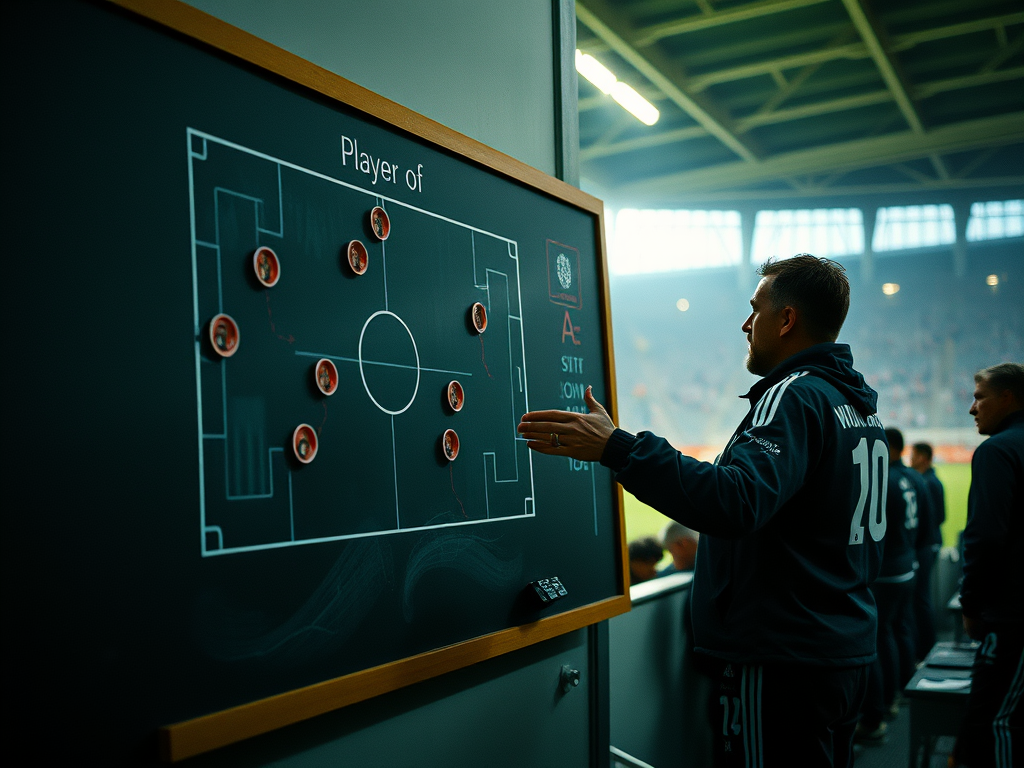
A possible solution would be to adopt a more flexible 4-3-3 formation. This would allow the wingers to play higher up the pitch, forcing the opposing full-backs to drop back and create space in the center. Moreover, the midfield could be bolstered with a more offensive player, enabling the central midfielder to distribute the ball quickly to the wingers. This change would not only enhance the fluidity of play but also help minimize the risk of losing possession in midfield.
Better Synchronization Between Forwards and Wingers
It is vital for the forwards and wingers to work on better synchronization. Coordinated movements to create runs and open passing lanes are essential. Incorporating specific drills in training that focus on these interactions could be beneficial. If the wingers and forwards can anticipate each other's movements, Pachuca can become a much more dangerous attacking team.
High Press and Quick Recovery
Finally, implementing a high-press strategy could help regain possession more quickly and keep the opponent pinned in their half. This could also destabilize rival teams attempting to build from the back. If Pachuca can be more aggressive in recovering the ball, they will have more opportunities to launch dangerous counterattacks.
In conclusion, with some tactical adjustments focused on wing play, a more offensive formation, and better synchronization among players, Pachuca can maximize their potential in Liga MX and become the team that everyone fears to face at Estadio Hidalgo.